
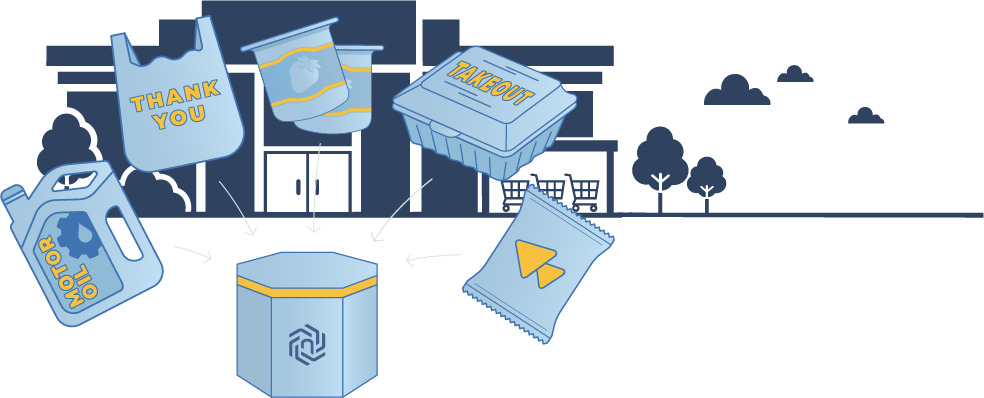
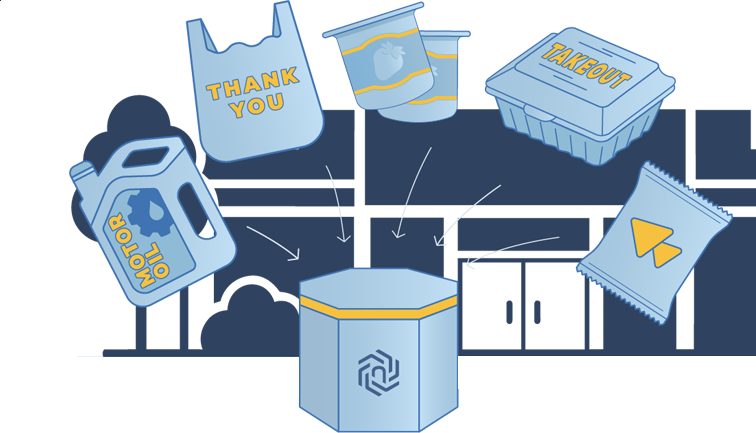

Used plastic
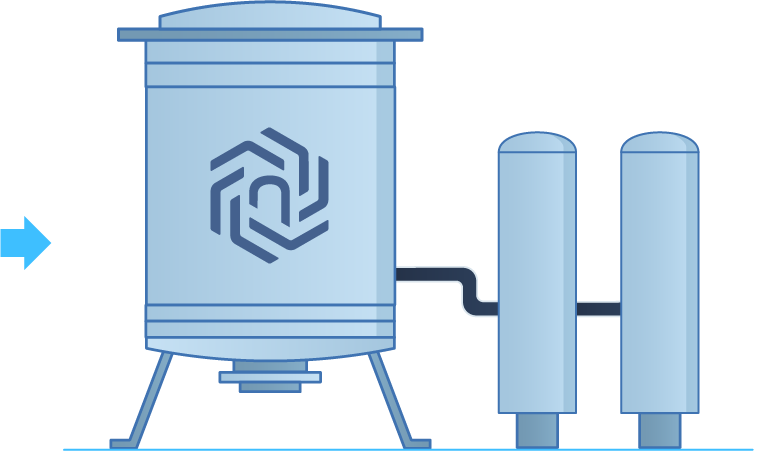
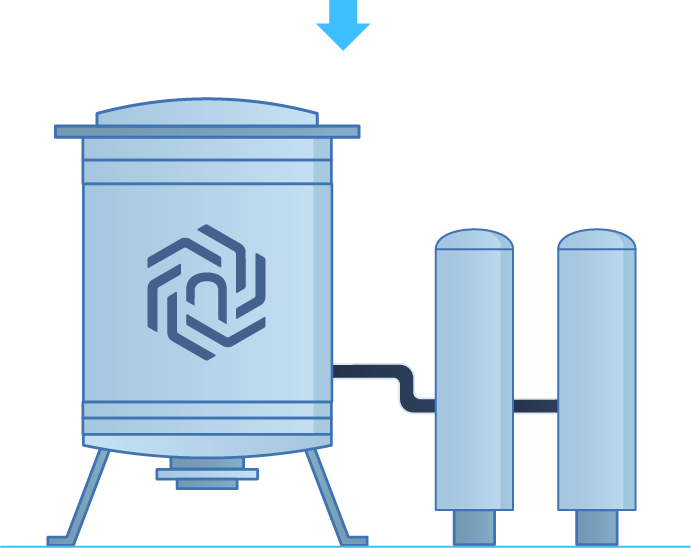
Patented technology heats plastic
in an oxygen-free enclosed vessel
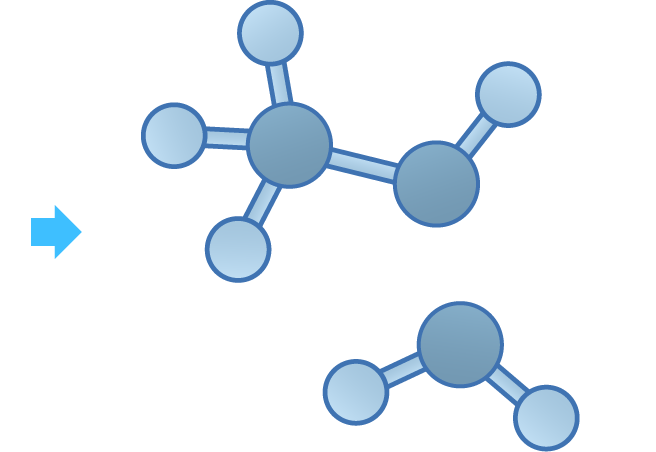
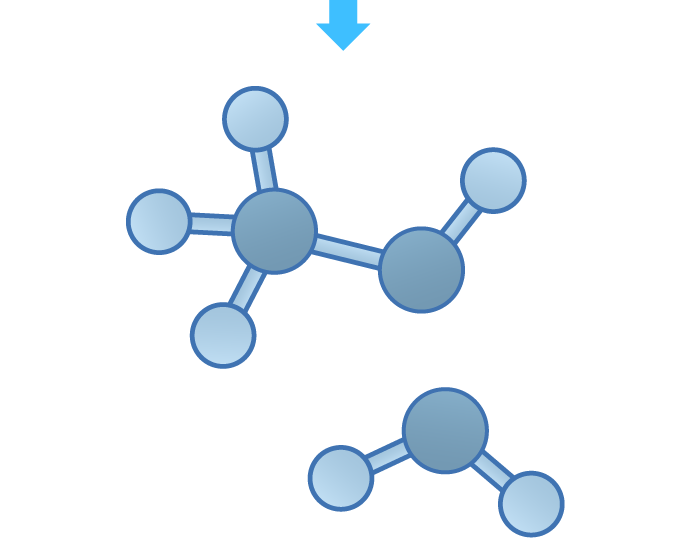
Plastic converts into its original
hydrocarbon building blocks
Circular oil used to
make plastic again

Contact us to learn more about licensing our technology.
Contact us to learn more about licensing our technology.
Strengthened by 16 global patents, our technology is designed to maximize yield, deliver consistent product quality and recover more value from hard-to-recycle plastics.
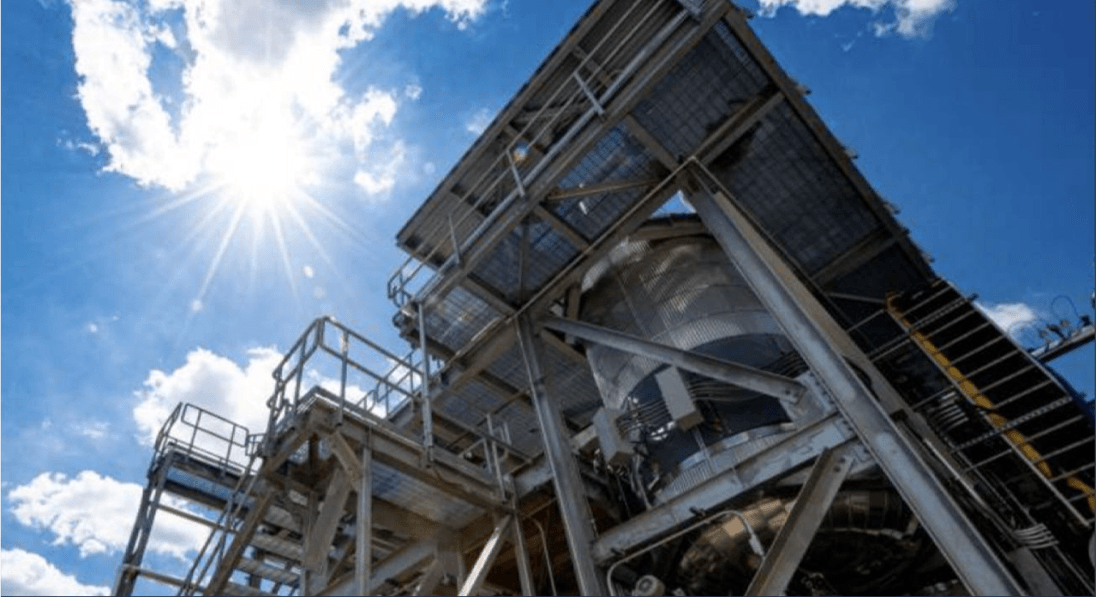
Our patented process produces a consistent, high-quality oil that meets stringent quality standards and supports use in premium applications, such as food grade, medical and pharmaceutical packaging.
Our patented equipment and process innovations help optimize performance, improve efficiency and maximize material recovery.
Our technology recovers more circular material from every pound of plastic processed, helping drive cost efficiency.
What we produce
Our primary product is used as recycled content to produce new premium plastics, including food-safe packaging and medical-grade products.
The Nexus Circular difference
Higher Yields Than Industry Standard
Our process is designed to recover more circular material from every pound of plastic processed.
Post-Treatment Required
Our circular materials are ready for customer use without additional processing.
Customer Acceptance
Our circular oil consistently meets stringent quality specifications required for sensitive and regulated applications, like food and healthcare packaging.
What we recover

High-Density Polyethylene
Used in durable applications such as industrial pallets and motor oil jugs.

Low-Density Polyethylene
Used in flexible packaging such as shopping bags, bread bags, stretch wrap and colored plastic film.

Polypropylene
Used in snack bags, yogurt cups, microwave-safe food containers, prescription bottles and healthcare non-wovens.
Learn more about the regulations, permits and emissions controls that help guide responsible operations at Nexus Circular facilities.
Nexus Circular uses a patented pyrolysis-based process to recover hard-to-recycle plastics used in everyday products and packaging, including films, foams and flexible packaging materials made from high-density polyethylene (HDPE #2), low-density polyethylene (LDPE #4) and polypropylene (PP #5).
Applying only heat in an enclosed reactor without oxygen, plastic molecules are converted into their original hydrocarbon building blocks, creating a liquid product known as circular oil. These hydrocarbon building blocks are then used as a replacement for fossil-based resources to produce virgin-quality plastics and materials that meet stringent quality standards for sensitive and regulated food, pharmaceutical and medical packaging applications.
Established recycling systems work well for many rigid plastic containers, but materials such as films, flexible packaging, foams, mixed plastics and small-format items can be challenging to sort, separate, clean and process. Their size, shape and composition can make them difficult to efficiently and economically recover through established mechanical recycling infrastructure while also making it challenging to produce high-quality recycled plastic for a broad range of packaging applications.
Nexus Circular’s recycling process complements established recycling systems by converting these hard-to-recycle plastics back into their hydrocarbon building blocks for reuse.
No. Nexus Circular does not burn or incinerate plastic. Our patented pyrolysis-based process heats plastic in the absence of oxygen, conserving the plastic resource rather than burning or consuming it through incineration. Instead, pyrolysis heats plastic in an enclosed system without oxygen to convert used plastic back into its original hydrocarbon building blocks, creating a liquid product known as circular pyrolysis oil. This circular oil is returned to the supply chain and used to manufacture new plastic products.
Nexus Circular’s patented recycling process produces a high-quality circular oil that is used as a direct replacement for fossil-based feedstocks traditionally used to manufacture plastics.
Petrochemical partners use this circular oil to produce virgin-quality materials and plastic resin. Plastic packaging producers then use that plastic resin to create new plastic products, including packaging that meets stringent standards for sensitive and regulated food, pharmaceutical and medical packaging applications. By incorporating circular materials into their supply chains, these companies can reduce reliance on fossil-based resources and support a more circular plastics economy.
Nexus Circular has historically worked across the plastic value chain to recover resources and sell circular oil to customers such as Braskem, Chevron Phillips Chemical, LyondellBasell and Shell Polymers. Moving forward, Nexus Circular is partnering with plastic producers to help them meet sustainability goals around recycled plastic content.
Circular oil is the primary product created through Nexus Circular’s pyrolysis-based recycling process. Unlike mechanical recycling, which degrades the quality of the plastic resource, pyrolysis-based recycling creates a virgin-quality circular oil that is used as a feedstock to replace virgin fossil-based resources in the production of new plastics. By converting hard-to-recycle plastics into circular oil, Nexus helps keep valuable plastic resources in circulation and accelerates the circular plastic economy.
Yes. Plastics made using Nexus’ circular oil are the same virgin quality as those made from virgin fossil-based feedstocks. Nexus Circular’s process converts used plastics back into their original hydrocarbon building blocks that are then used to produce identical virgin-quality plastics in the same petrochemical assets.
A Synthetic Minor facility operates within permit limits, utilizing emissions control devices when applicable to ensure its emissions remain below permitted thresholds.
Nexus Circular’s facilities in Georgia are permitted and regulated by federal and state environmental agencies as Synthetic Minor facilities under Section 112 of the Clean Air Act, which establishes enforceable emissions limits.
Your message goes straight to the team that handles your area. We typically reply within two business days.